Many Brits are earning additional income from side hustles like tutoring and pet care or making money online by selling refurbished goods and filling out surveys. We look at the latest side hustle statistics and trends across the UK, including how many people have them and the average earnings.
Side hustle statistics: Highlights
46% of UK adults have a side hustle as an additional source of income in 2026.
The average income from side hustles is £201 a week or £872 a month.
Two-thirds of generation Z (66%) and 3 in 5 Millennials (62%) have a side hustle, compared to only 23% of baby boomers.
Almost 2 in 5 people with side hustles (39%) earn more than £20 a week on average. This means they could exceed the £1,000 yearly trading allowance.
The top motivation for having a side hustle is to cover the day-to-day cost of living expenses.
18% of Brits have used AI for side hustle advice.
How many people have a side hustle?
In 2026, 46% of Brits have at least one side hustle as an additional source of income, according to a nationally representative survey by Finder. This has increased from 2025, where 39% of Brits had a money-earning side hustle. Over half of men (53%) make money from a side hustle, compared to 2 in 5 women (39%).
However, in 2026, an additional 1 in 4 (24%) of Brits admitted to having a side hustle that does not make them any money. This means that overall, almost three quarters of Brits (70%) are trying out a side hustle, which is a 17% increase since 2025.
What is the average side hustle income?
On average, Brits earn £201 from side hustles per week, which adds up to £872 a month, and £10,462 a year. Almost 2 in 5 people with side hustles (39%) earn more than £20 a week on average. This means they could exceed the £1,000 yearly trading allowance.
Explainer: What exactly is a side hustle?
A side hustle is when you have a job or business in addition to your primary job that enables you to make extra money. For example, you could sell items online, do freelance work, drive people around in your car or do other odd jobs. You might also have a secondary part-time job in addition to your main job.
Some of us even choose to set up an extra business, and if you are serious about your side hustle, you may decide to open a dedicated business account.
Side hustles provide an additional source of income but some can also give people the opportunity to try a new challenge or have fun doing something they enjoy. It’s like having a hobby, but you get paid for it!
Side hustles have also become a popular way for Brits to earn extra cash at a time when many are struggling to make ends meet or put money into savings. There are also other things Brits can do to boost your income, such as looking out for sign-up bonuses and other ways to earn free money online.
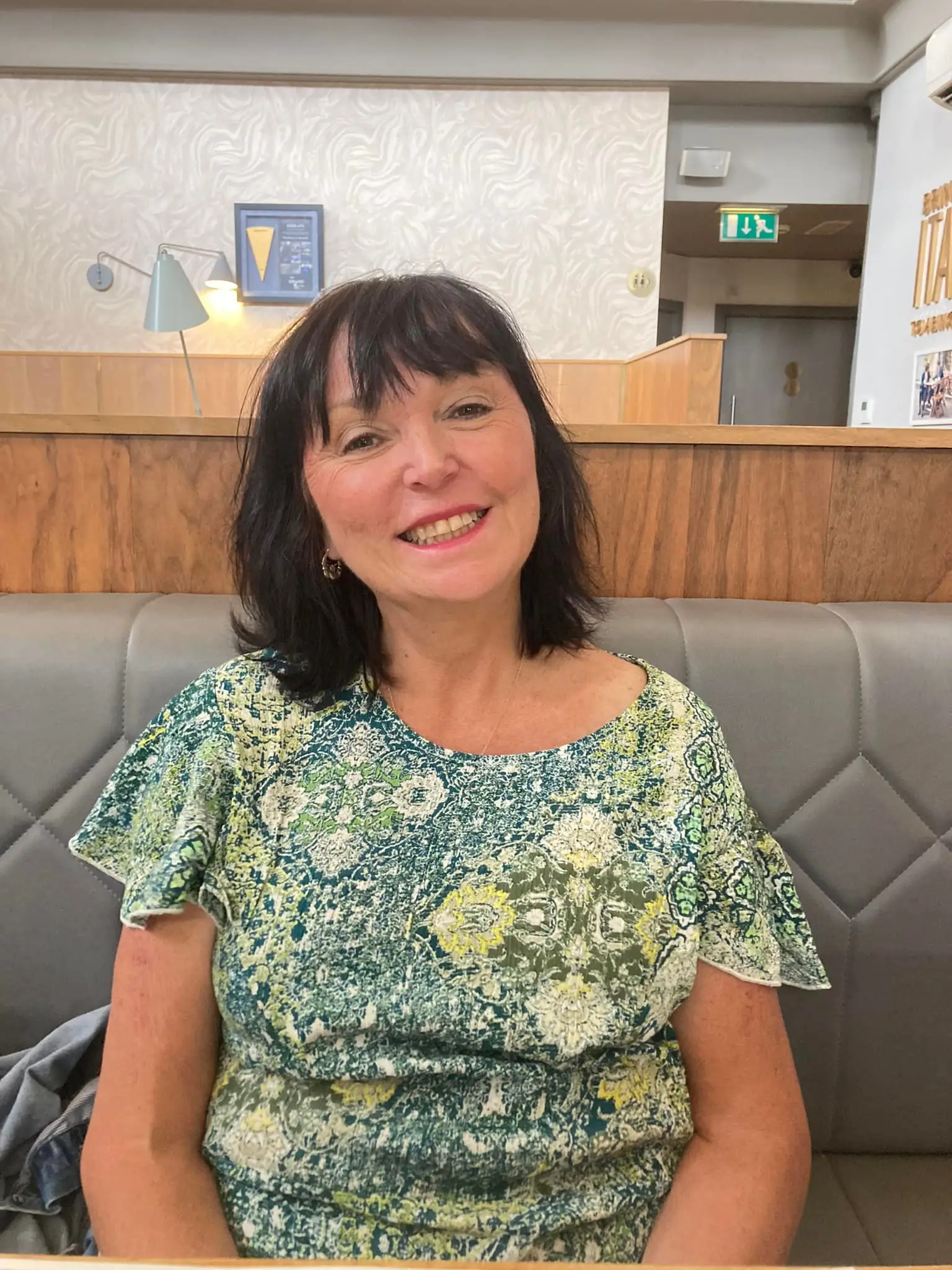
Case study: The cost of living crisis has impacted Tracey's savings
"I already have 3 side hustles and am still battling to get by.
I cook for the local squash club, I sell clothes on eBay, I enter competitions and I do online surveys for money.
I am not happy with how much I have saved. I have had to use some of it to pay for things like car insurance, tyres, MOTs, electricity bills and repairs."
Tracey Greyvenstein
Abingdon
Share your opinions to win prizes or earn cash!
Share your opinions to win!
Sign up to receive deals and tips, plus opportunities to win prizes for your opinions and experiences! (T&Cs)
The main motivation for Brits having a side hustle is a need for extra money to cover the day-to-day cost of living, given by 28% of side hustlers. Other common motivations included building wealth for the future and saving for a specific financial goal such as buying a house (14%).
In contrast, one of the lowest ranked reasons was people using it as a safety net or who were worried about their job security (7%).
The rise of the gen Z and millennial side hustle
Remarkably, two-thirds (66%) of generation Z make money from a side hustle, which is more than any other generation. Millennials are a close second behind their younger counterparts, as 62% earn extra income from a side hustle, as well as 36% of generation X.
Earning from side hustles is less common among older generations, with only 23% of baby boomers and 21% of the silent generation earning money this way.
The popularity of side hustles among the younger generations could be related to several factors, including lower average income from their main employment and higher usage of apps and online platforms that allow easy access to set up side hustles, such as selling clothes online or creating TikTok content.
According to Finder’s survey, there is more of a significant need in younger generations for extra income, as 3 in 10 members of generation Z (30%) and a quarter (26%) of millennials said their motivation for having a side hustle was the need for extra money to cover the day-to-day cost of living expenses. On the other hand, the older generations stated that they had no particular motivation for their side hustle, with 3 in 10 baby boomers (30%) and 29% of the silent generation giving this response.
19% of generation Z and 14% of millennials were also found to be more motivated by specific goals such as buying a house, travelling, a wedding, having a child etc, in contrast to 9% of baby boomers, and 0% of the silent generation stating this as a reason.
Which region of the UK earns the most from side hustles?
Londoners are at the top of their game when it comes to side hustles in the UK, with 3 in 5 (59%) having a side hustle that makes extra money, earning an average of £1,421 a month!
Those in the West Midlands are also earning big from side hustles, with an average monthly income of £1,216, among the 47% making money this way.
Those in the east of England are the least likely to earn money with a side hustle, despite almost half (49%) doing so and earning an average monthly income of £731. Similarly, 43% of Wales earn extra income from a side hustle, earning an average of £750 a month. Despite these two regions ranking the lowest, there was a significant rise in those who are earning money from a side hustle, as it rose by 18% in the East of England, and by 13% in Wales, highlighting that side hustles have risen in popularity over the last year.
According to external research, the top 3 most popular side hustles are:
Selling old clothes on Vinted or similar
A part-time second job
Becoming a social media “influencer” on TikTok or similar
The most popular side hustles fall into 5 key categories:
Selling old or refurbished items
Creating content
Creating products and selling them
Having a secondary part-time job
Manual labour
Case study database
Finder’s research team sometimes needs first-hand experiences of personal finances to bring our pages to life. If selected and used for our research, we will pay for your case study.
If you are interested in taking part, you can apply to be included in our case study database or email: ukpr@finder.com
Finder commissioned Censuswide to carry out a nationally representative survey of adults aged 18+. A total of 2,000 people were questioned throughout Great Britain between 3 January and 6 January 2026, with representative quotas for gender, age and region. The online survey has a margin of error of ±2.2% at a 95% confidence level. Censuswide follows the MRS Code of Conduct, ESOMAR principles, and is a member of the British Polling Council.
Click here for more research. For all media enquiries, please contact –
Matt Mckenna
UK Head of Communications T: +44 20 8191 8806
Hide
Share your opinions to win prizes or earn cash!
Share your opinions to win!
Sign up to receive deals and tips, plus opportunities to win prizes for your opinions and experiences! (T&Cs)
Sophie Barber is a senior content marketing manager for Finder in the UK. She has over 5 years experience in writing and publishing clear, concise and informative articles that help consumers make informed decisions.
See full bio
Sophie's expertise
Sophie
has written
97
Finder guides across topics including:
Kate Steere is an editor and money expert at Finder, specialising in banking, savings and fintech. She has previously written for The Motley Fool UK and Fitch Solutions, where she covered a wide range of personal finance topics and kept a close eye on market trends. Kate has a Bachelor of Arts in Modern History from the University of East Anglia. When not working, she can usually be found curled up with a good book or heading out for a run.
See full bio
Kate's expertise
Kate
has written
160
Finder guides across topics including:
By switching your business bank account, you may be able to reduce your monthly fees or take advantage of different features like smart bookkeeping tools.
Learn more about the key differences between the Tide and Revolut business bank accounts and which is likely to suit you better.
Advertiser disclosure
Finder.com is an independent comparison platform and information service that aims to provide you with the tools you need to make better decisions. While we are independent, the offers that appear on this site are from companies from which Finder receives compensation. We may receive compensation from our partners for placement of their products or services. We may also receive compensation if you click on certain links posted on our site. While compensation arrangements may affect the order, position or placement of product information, it doesn't influence our assessment of those products. Please don't interpret the order in which products appear on our Site as any endorsement or recommendation from us. Finder compares a wide range of products, providers and services but we don't provide information on all available products, providers or services. Please appreciate that there may be other options available to you than the products, providers or services covered by our service.
We update our data regularly, but information can change between updates. Confirm details with the provider you're interested in before making a decision.
How likely would you be to recommend Finder to a friend or colleague?
0
1
2
3
4
5
6
7
8
9
10
Very UnlikelyExtremely Likely
Required
Thank you for your feedback.
Our goal is to create the best possible product, and your thoughts, ideas and suggestions play a major role in helping us identify opportunities to improve.